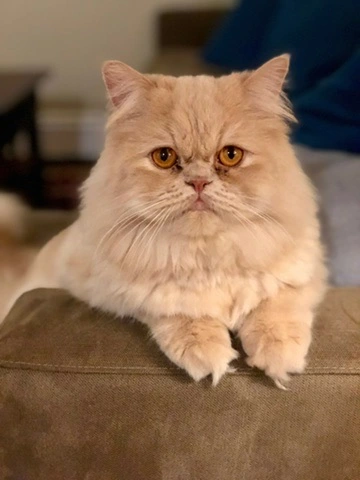
One of my clients wanted to set up a revocable living trust. Standard stuff, or so I thought. We were maybe ten minutes into the intake when she stopped me and said, "Before we go any further, what happens to my kids in fur coats?" She means her cats, she had two of them. She wanted to know whether the legal system she was about to trust with her home, her accounts, and many years of savings would also look out for her animals after she was gone. The answer, without the right planning, is no. And that surprises people.
Pets Are Property Under Illinois Law
Pets are property under Illinois law. Not family members. Not dependents. Property, in the same legal category as furniture and jewelry. That means your cat, your dog, your birds, cannot be a direct beneficiary of your estate. You can't leave assets to them the way you'd leave assets to a child or a sibling. A will that says "I leave $20,000 to my cats Mabel and Lou" is not enforceable as written. The gift fails. The money goes back into the residuary estate, and Mabel and Lou go wherever the executor decides.
Why Informal Arrangements Don't Work
The same problem exists when people try to handle this informally. Leaving your pet to a friend or family member with a handshake agreement and a chunk of cash is a hope, not a plan. Once that money transfers, it belongs to the recipient. There's nothing legally binding them to spend it on your animal. Most people named in these arrangements are well-intentioned, but intentions don't create fiduciary duties.
Illinois addressed this in 2005 with legislation as part of the Illinois Trust Code. The statute expressly validates trusts created for the care of domestic animals. It means a pet trust, properly drafted and funded, is enforceable in Illinois. The trust terminates automatically when the last covered animal dies, and any remaining assets pass to whoever you've named as the remainder beneficiary, sometimes a charity.
How a Pet Trust Works
A pet trust creates a structure with three separate roles. You designate a caretaker, the person who takes physical custody of your pets and handles their day-to-day care. You fund the trust with enough money to cover that care over the animal's expected lifetime: food, routine vet visits, boarding, medications, and a reserve for emergencies. And you name a trustee, someone separate from the caretaker, who holds the money and distributes it according to the trust's terms. That separation matters. The caretaker gets the animal and receives funds from the trustee; the trustee ensures the money goes toward the animal's care and not something else. You can also name a specific person with power to enforce the trust if the trustee isn't doing their job, which the statute explicitly allows.
Building It Into a Revocable Living Trust
When a pet trust is built into a revocable living trust, which is the structure most of my clients already have or are setting up, it functions as a sub-trust that springs into operation at the triggering event, whether that's your death or your incapacity. That second part matters more than people realize. A will-based plan for your pets does nothing if you're hospitalized for six months before you die. The animals need care now. A funded living trust with proper pet provisions can authorize your successor trustee to begin caring for your animals the moment you're incapacitated, without waiting for a court order or a death certificate.
What This Looked Like for One Client
For that client with the two cats, we added a dedicated article to her living trust designating both animals by name, with a provision to capture any future animal she might have. We identified a primary caretaker and two alternates, specified the monthly distribution amount for their care, and named an animal rescue organization as the remainder beneficiary when the last cat died. We attached a care profile for each cat: their vet, their food, their medications, their quirks. That profile won't have legal force on its own, but it tells whoever ends up with those cats exactly what they need to know.
She left that appointment looking like someone had put something down. Not solved. She knew the cats might outlive her, and having the plan was a great relief for her. Illinois law supports this kind of planning now, and a pet owner who takes their animals seriously should take the legal protection of those animals just as seriously.
This article is for general informational purposes and does not constitute legal advice. No attorney-client relationship is created by reading this post. Contact Emad Mahou directly to discuss your specific situation.